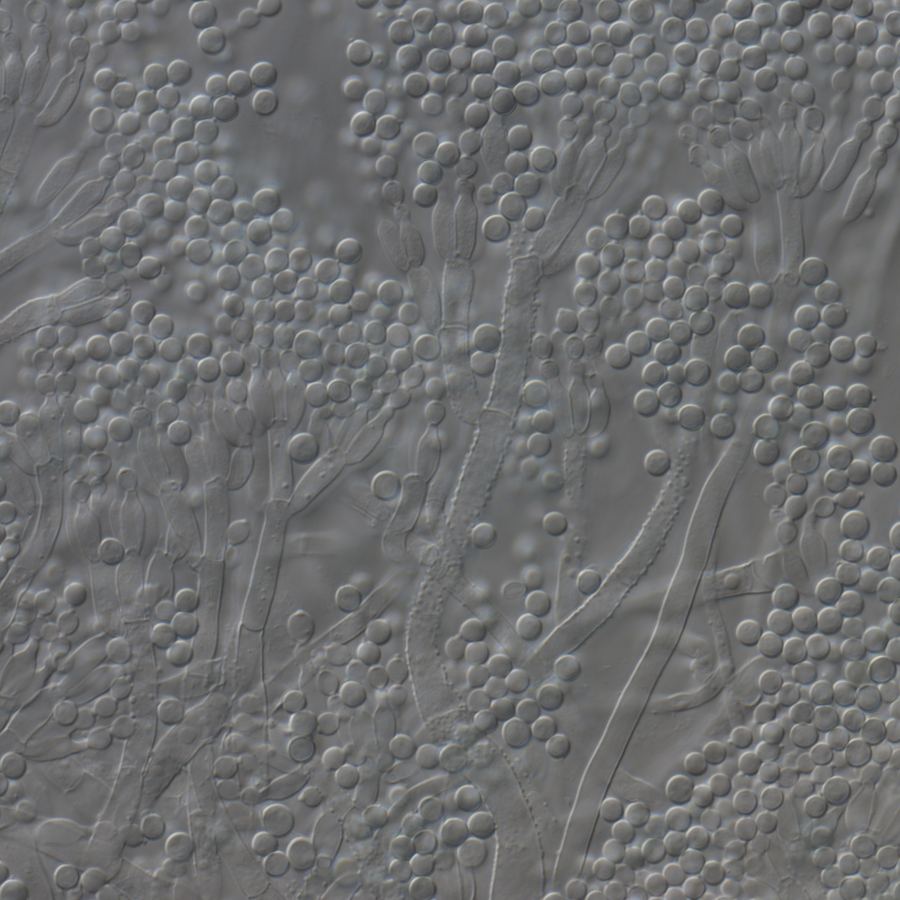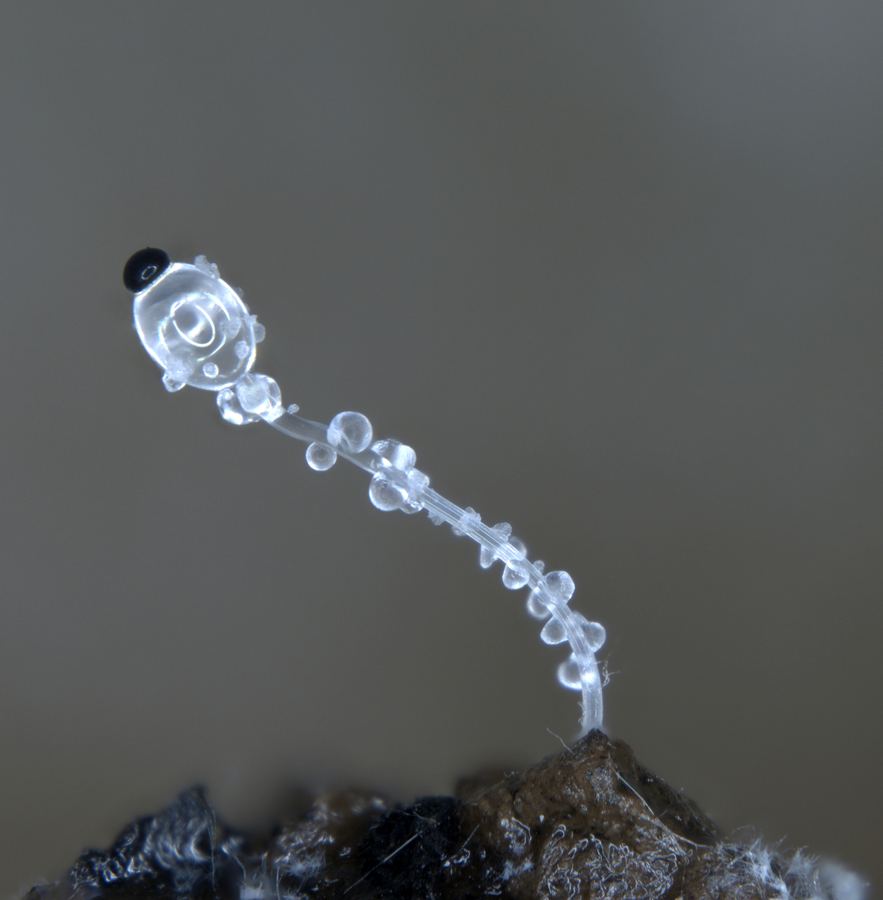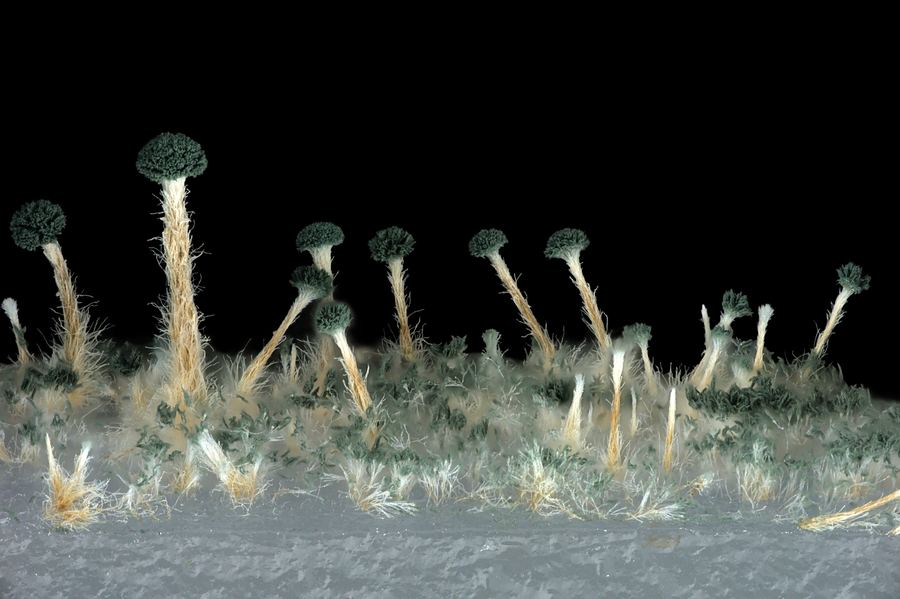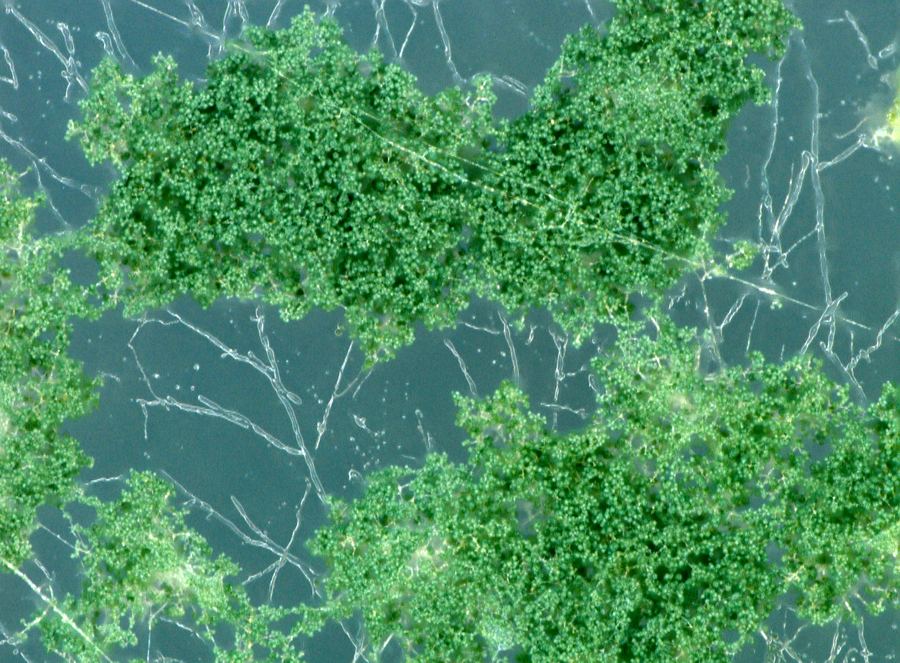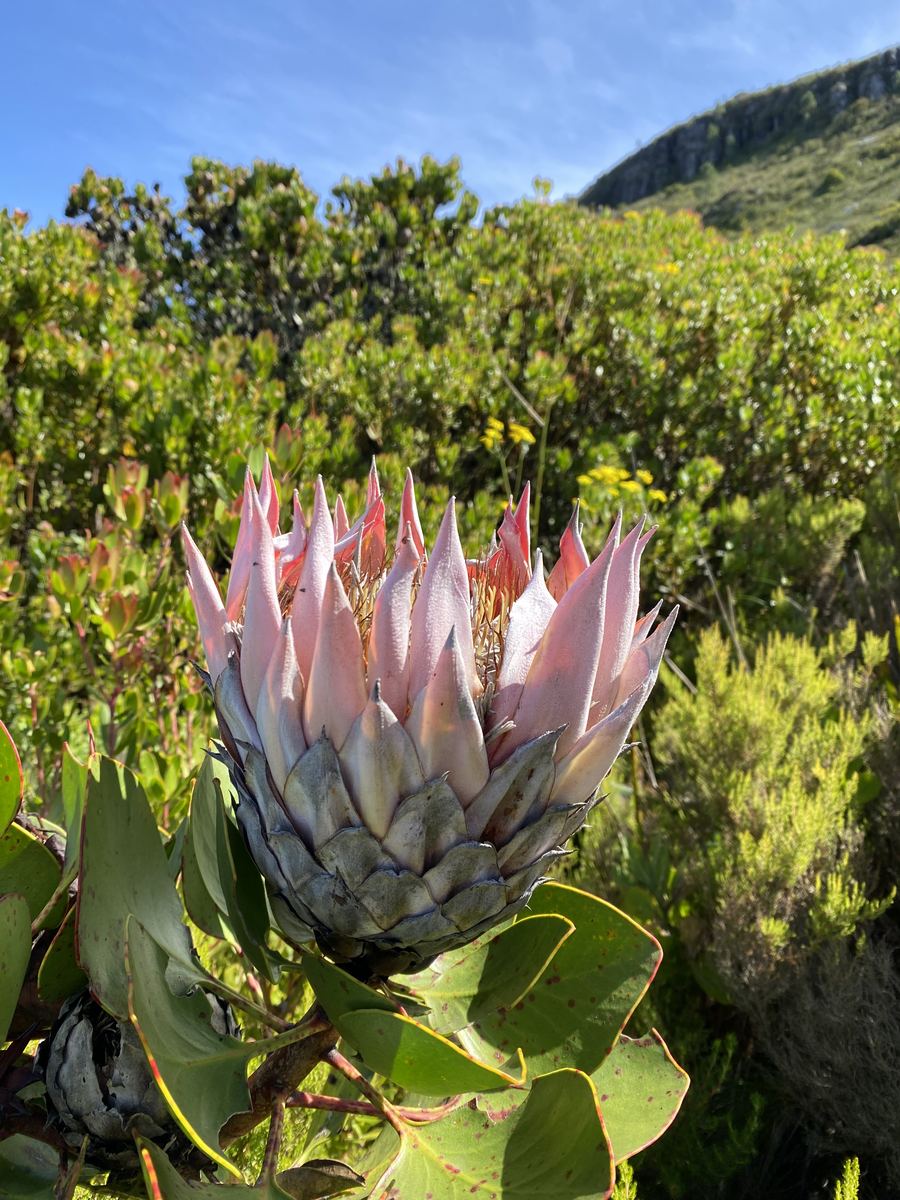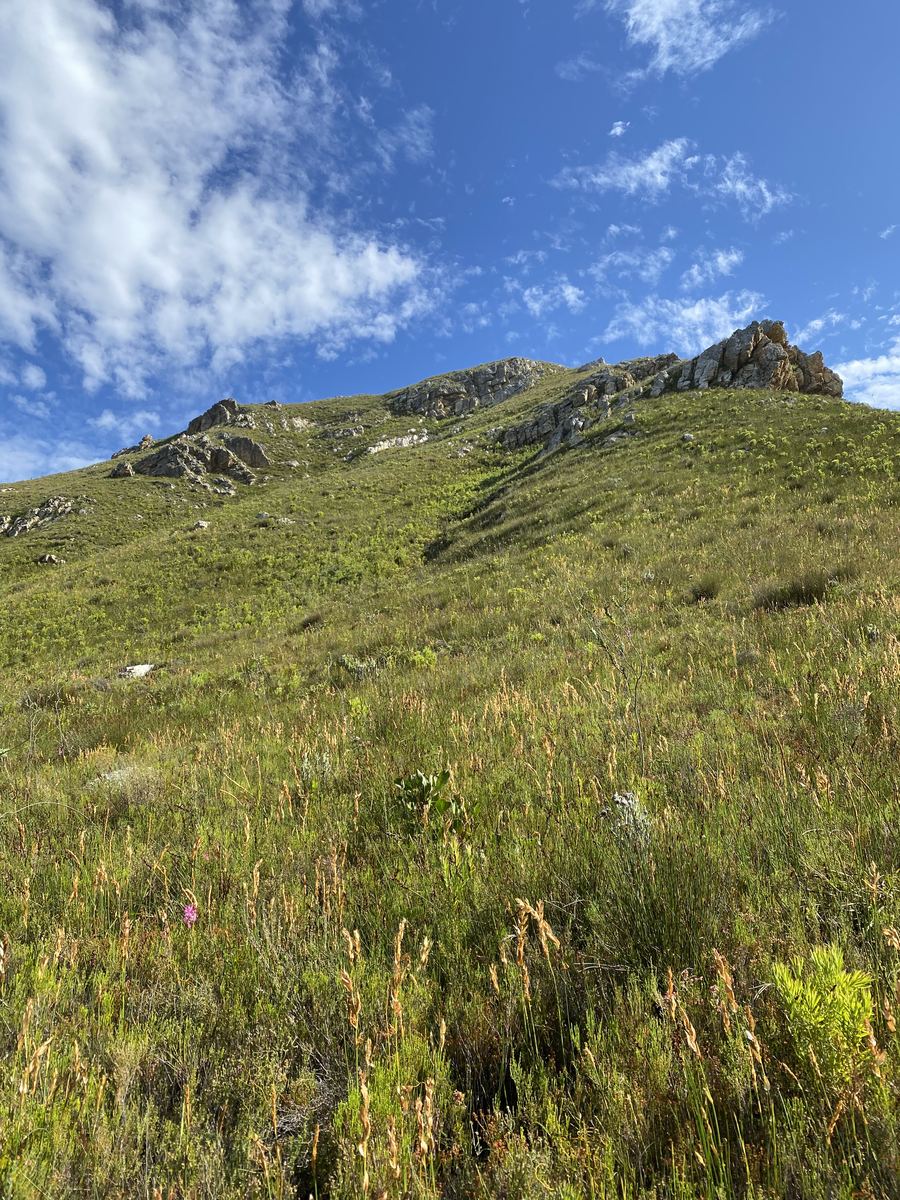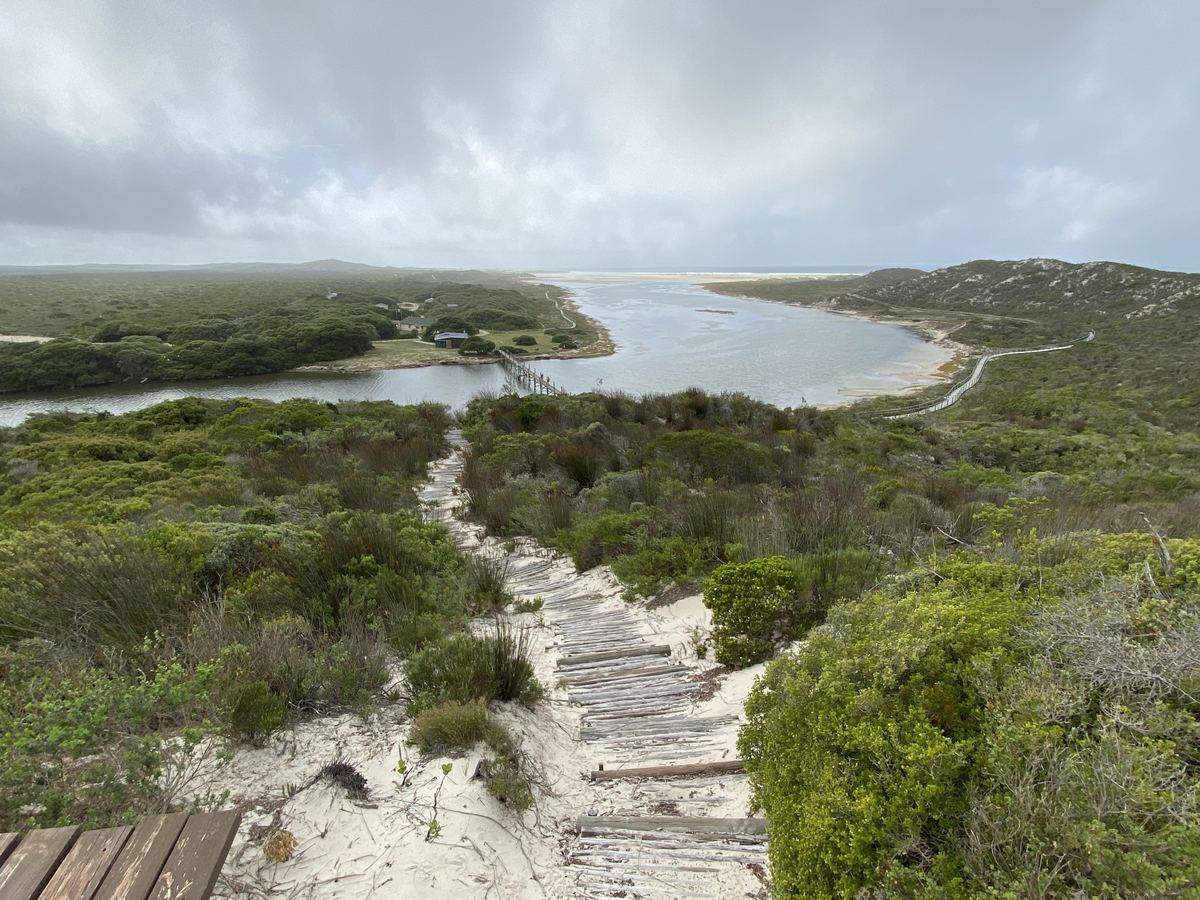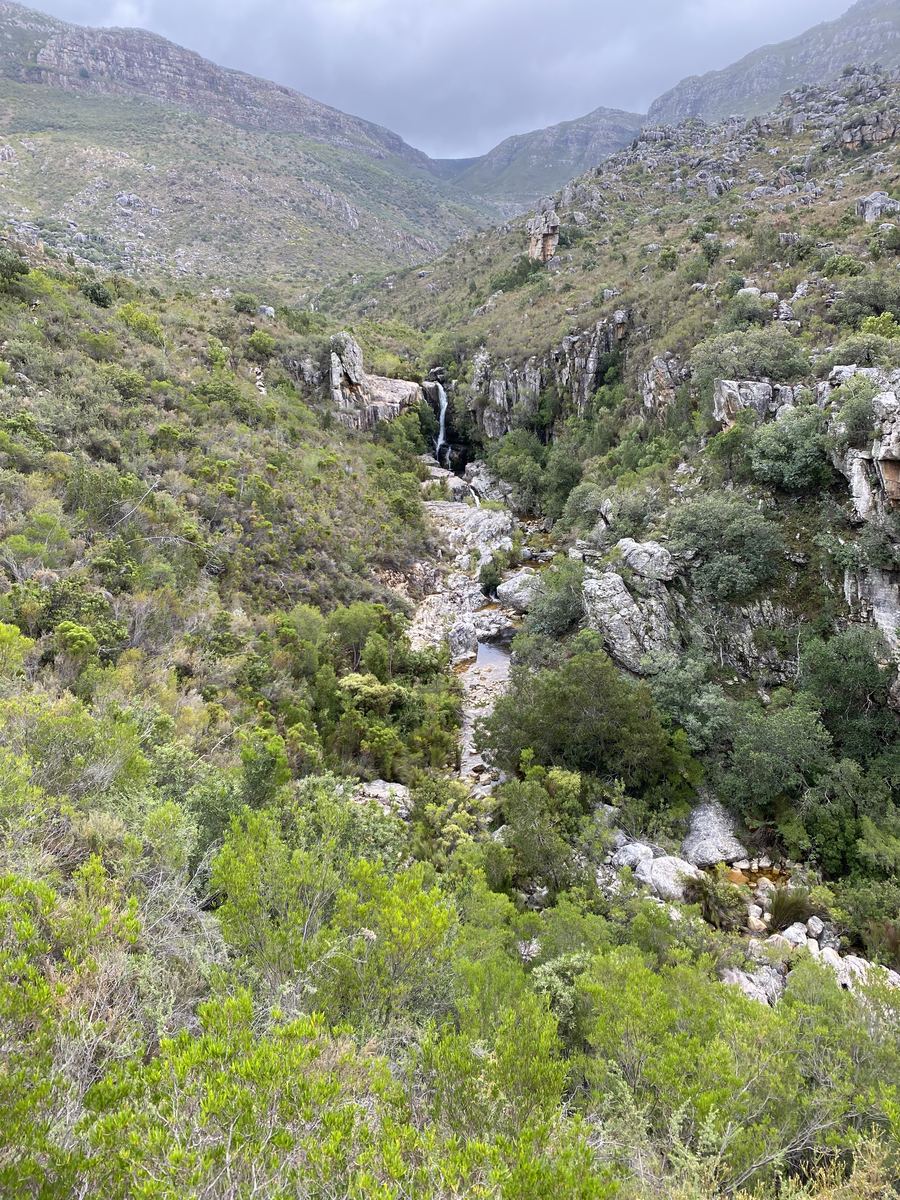
MUFASA is a five-year research programme led from FABI at the University of Pretoria, uniting taxonomy, metabarcoding and genomics to discover, describe and decode the fungi that shape our soils, our food and our future bioeconomy.
Fungi underpin agriculture, food safety, ecosystem function and human health — yet remain one of the least documented parts of South Africa's natural heritage. MUFASA addresses this gap head-on.
With an estimated 200 000 fungal species in South Africa and only a small fraction described, MUFASA combines classical taxonomy with next-generation DNA approaches to systematically map who lives where — and what they do.
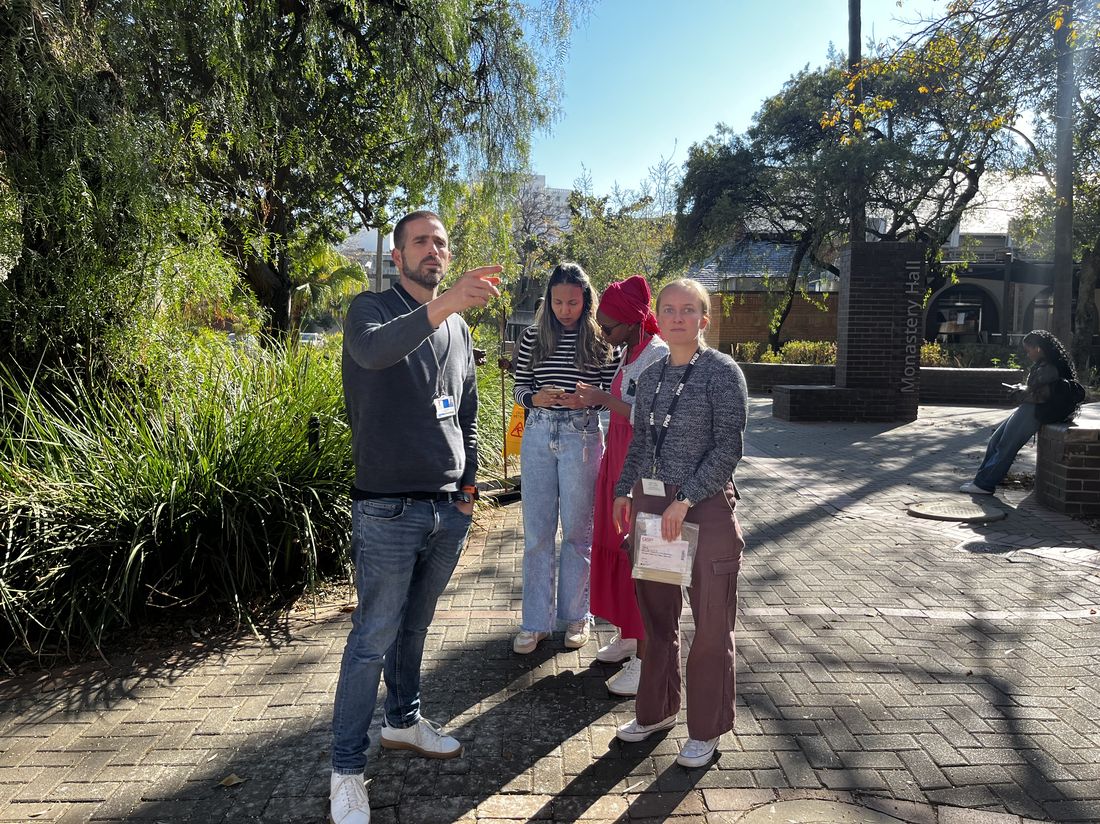
Across a five-year programme, the team will sample South Africa's national and provincial parks, isolate and curate thousands of fungal strains, generate DNA barcodes and reference genomes, and link every record into a national digital backbone so that every sample becomes a long-term research asset.
Every workflow is built around four interlocking themes — Taxonomy & Diversity, Genomics, Metabarcoding, Ecology & Function, and Secondary Metabolites — designed so each strengthens the others.
Live counts pulled directly from the CMW/CMW-IA strain database and InformationHub sampling platform. MUFASA's targets across the five-year award are >5 000 strains, ~100 new species and >1 200 genomes — at least doubling the public genome reference for African fungi.
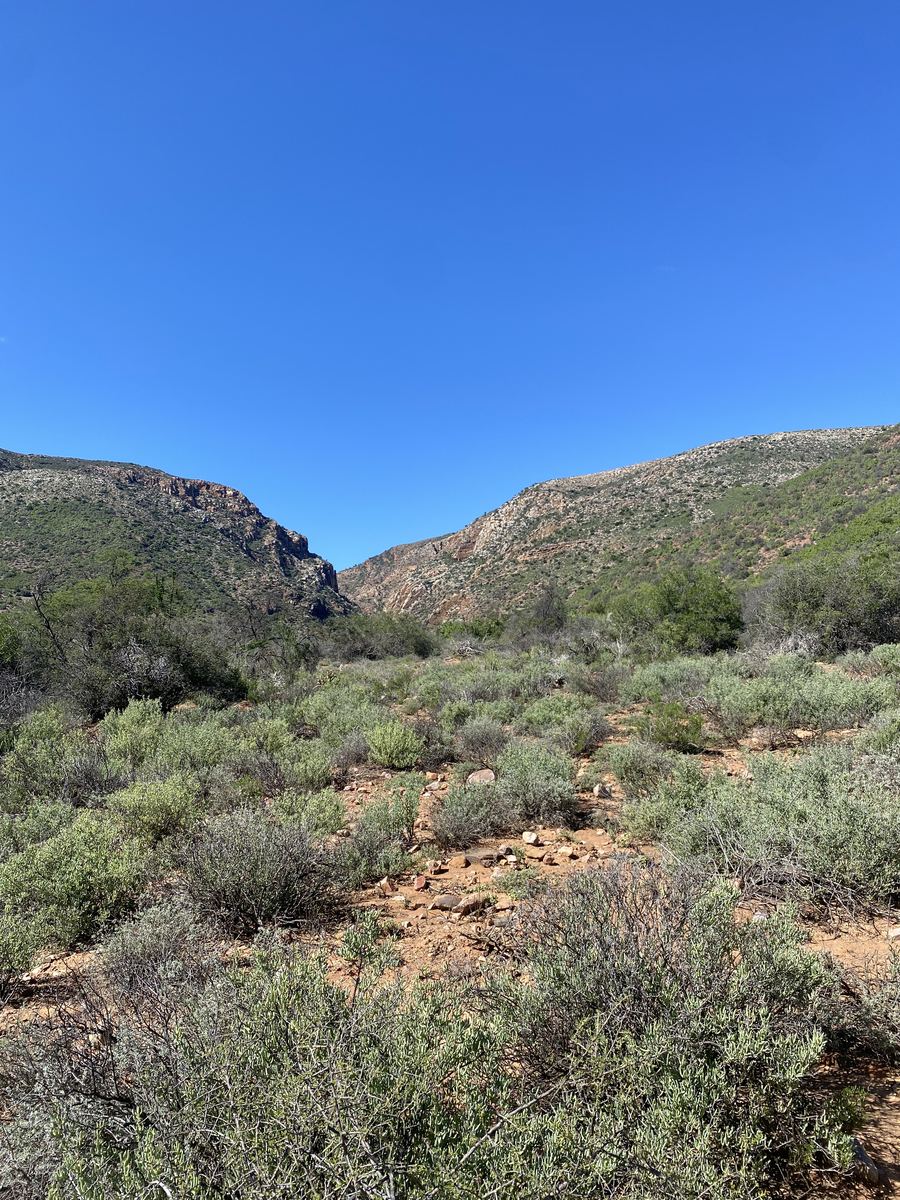
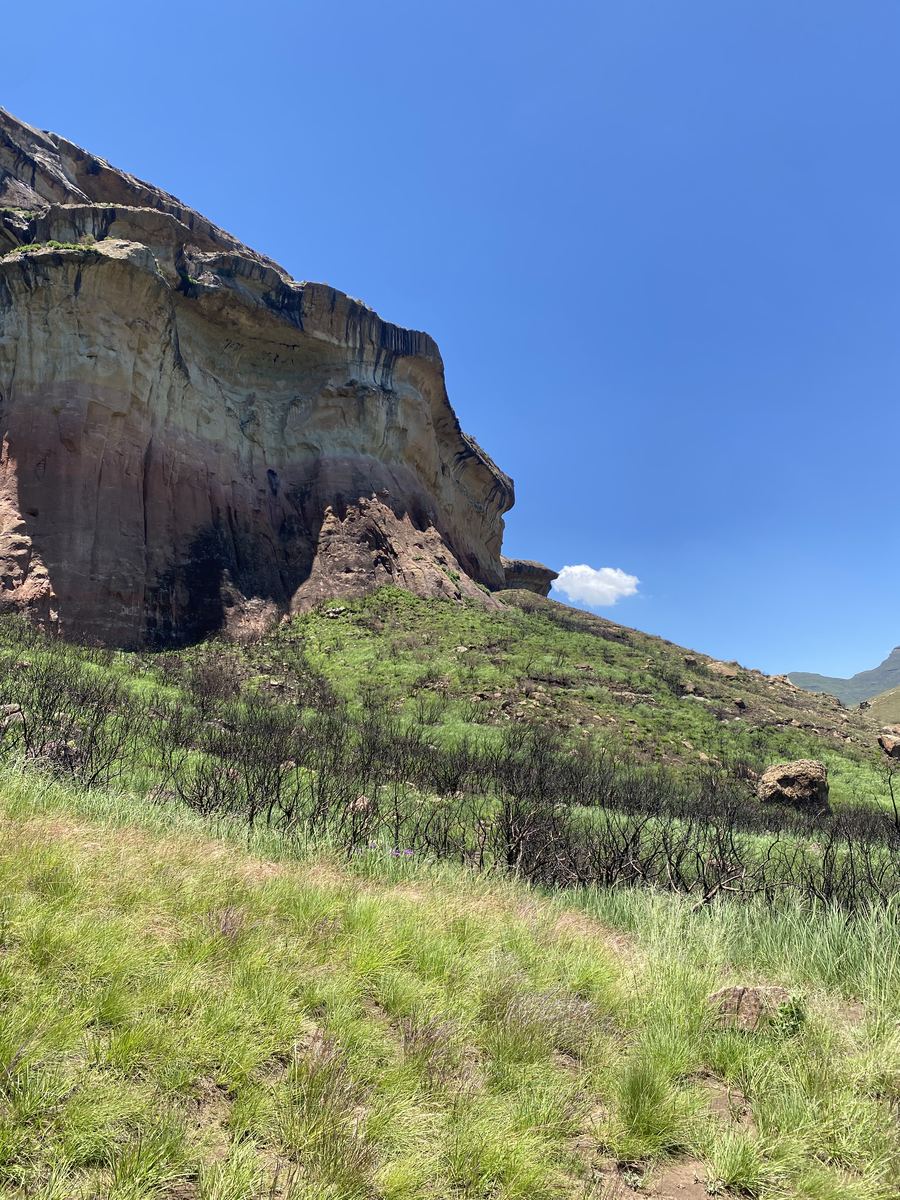
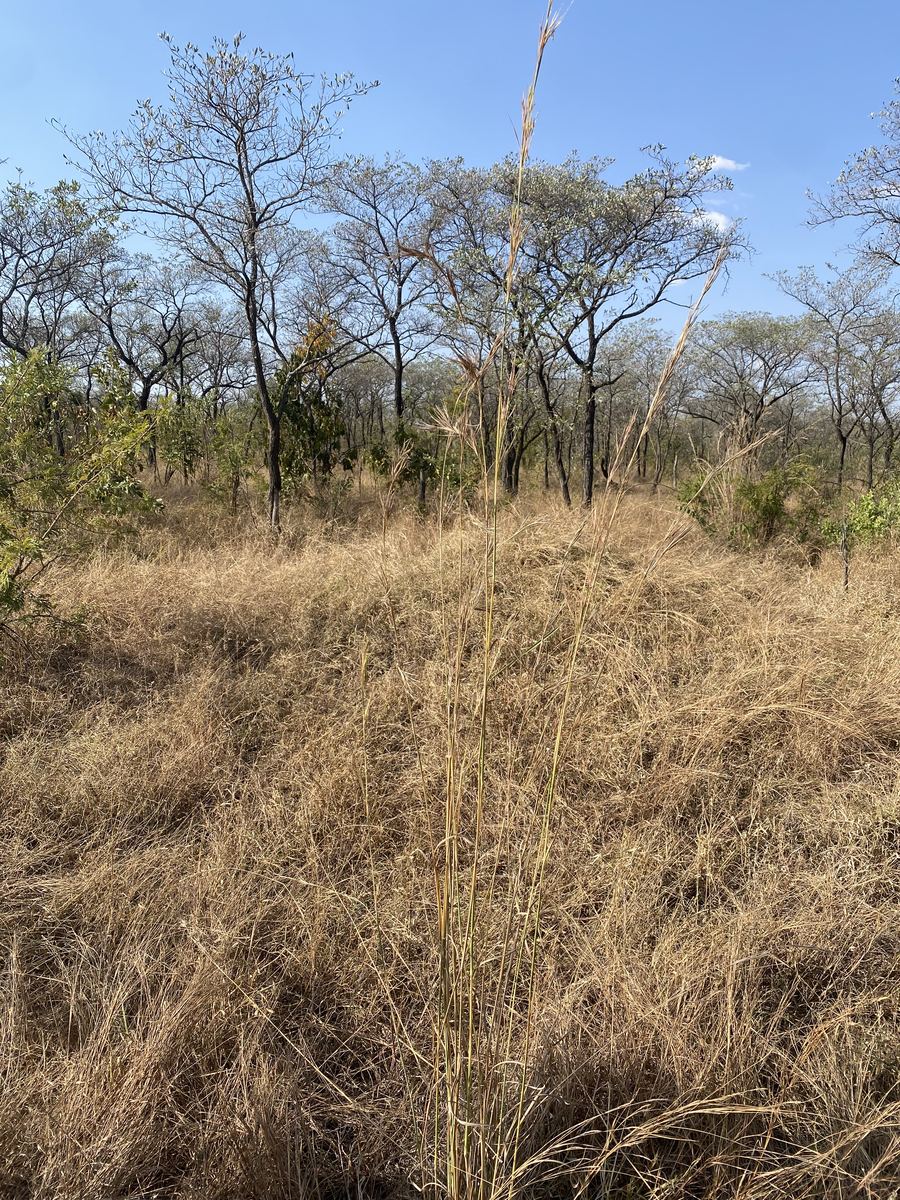
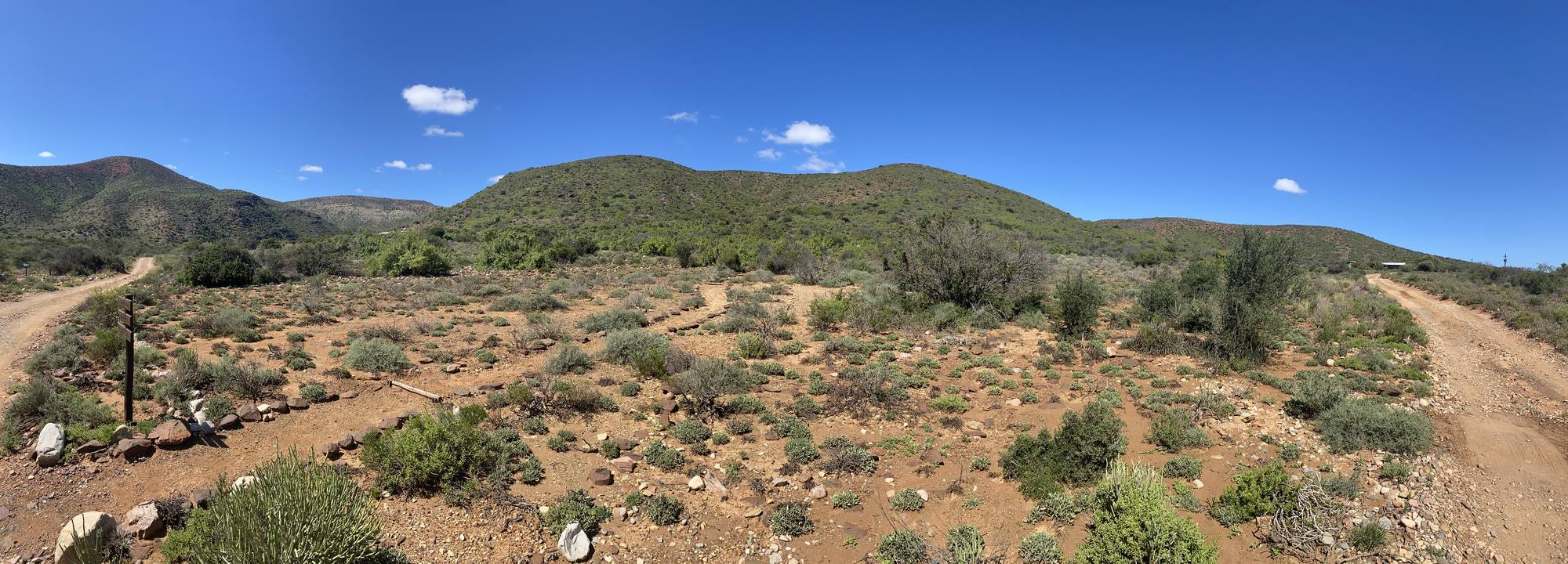
Every MUFASA sample is logged in the InformationHub platform with full GPS coordinates, biome, vegetation type and collection metadata. The map below plots our real collection sites to date — six provinces so far, with the remaining three next on the sampling plan.
MUFASA is built around four themes designed so that each strengthens the others — moving from species discovery, to genome reference, to ecological function, to applied chemistry. Every theme draws on the same stratified sampling strategy: sites are chosen to deliberately span South Africa's biomes and vegetation types, not just its parks.
Polyphasic taxonomy integrates morphology, modern species concepts and DNA sequence data to formally describe new South African fungi. The collection already spans 23 genera and 240 species-level lineages from 2 701 curated strains — every one deposited in the CMW & CMW-IA culture collections with full GPS and host metadata.
Whole-genome sequencing as a routine output, linked to verified species and voucher cultures — 602 reference genomes generated to date. Together with SARChI Fungal Genomics and DIPLOMICS 1KSA, MUFASA aims to at least double the public reference for African fungal genomes over the five-year award.
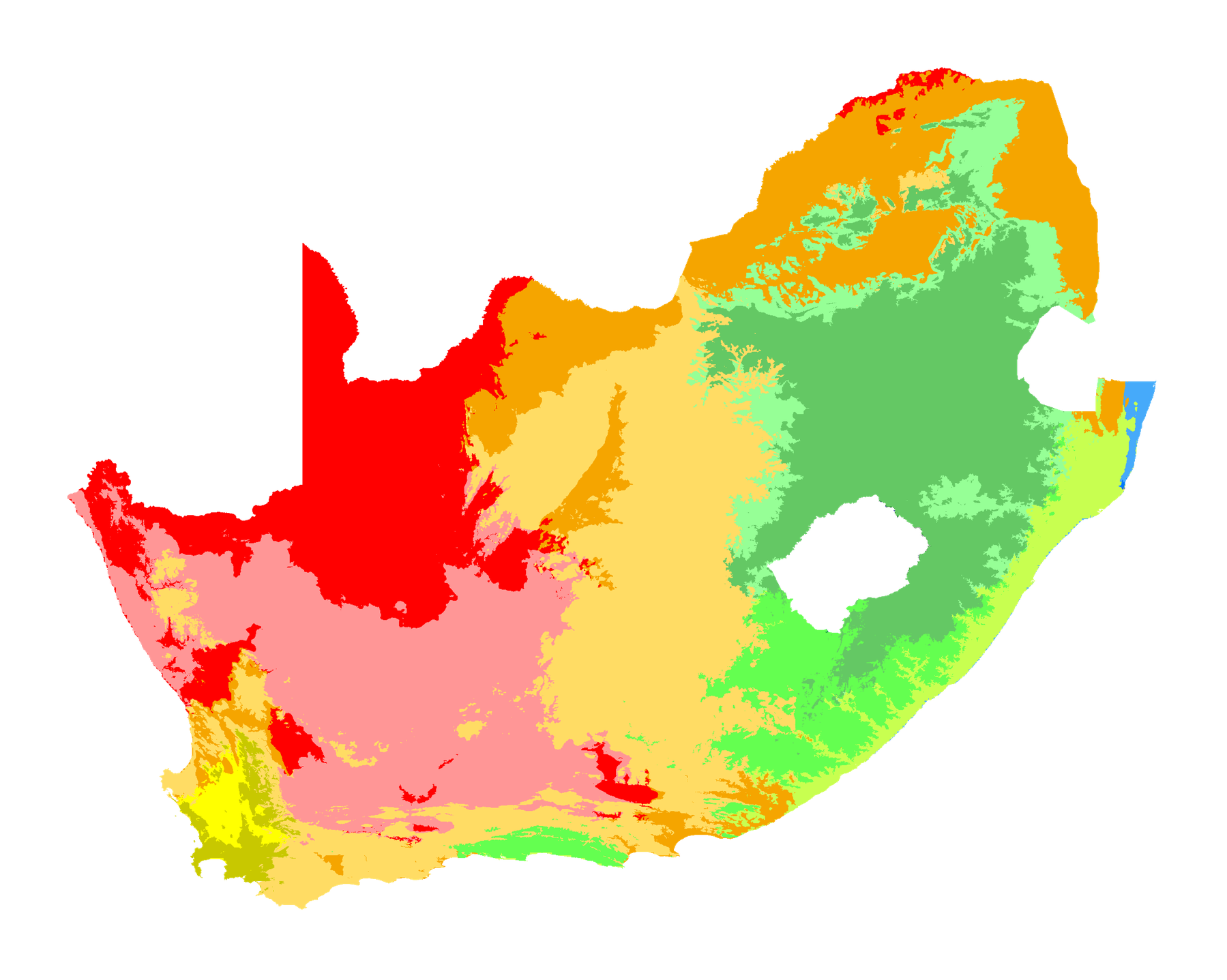
Environmental DNA, long-read amplicons and curated reference datasets enable species-level community ecology across biomes. Sampling is deliberately stratified across nine biomes and 69 vegetation types — from Fynbos and Succulent Karoo to Lowveld Savanna and Afromontane Forest — so metabarcoding surveys can link fungal community composition to soils, land use and environmental gradients nationally, working under permits from SANParks and provincial conservation authorities.
Genome-guided exploration of biosynthetic potential, in collaboration with the MycoBiomics Horizon Europe partnership. Early curation is already dominated by metabolite-rich genera such as Penicillium, Aspergillus and Talaromyces — surfacing fungi with promise for biotechnology, health and the future South African bioeconomy.
MUFASA doesn't stand alone. It plugs into existing national infrastructure and international programmes so that every workstream amplifies the others.
Tracing how Cryptococcus — believed to have originated in southern Africa — persists and adapts in the environment, providing a trait-based framework MUFASA extends to other fungal groups.
EU-funded staff-exchange programme exploring how fungi can power sustainable bioeconomies. MUFASA supplies the taxonomically validated strains that anchor metabolite discovery.
Held by Prof. Brenda Wingfield (FABI), the SARChI Chair underpins MUFASA's whole-genome sequencing pipeline and comparative-genomic analyses.
Sequencing 1 000 South African species — MUFASA contributes fungal genomes and leverages shared bioinformatics infrastructure.
A digital backbone for sampling metadata, culture-collection accessions and sequence identifiers — every MUFASA record traceable end-to-end.
FABI's curated fungal culture collections — long-term living archives that preserve every MUFASA strain alongside ex-type material shared with global partners.
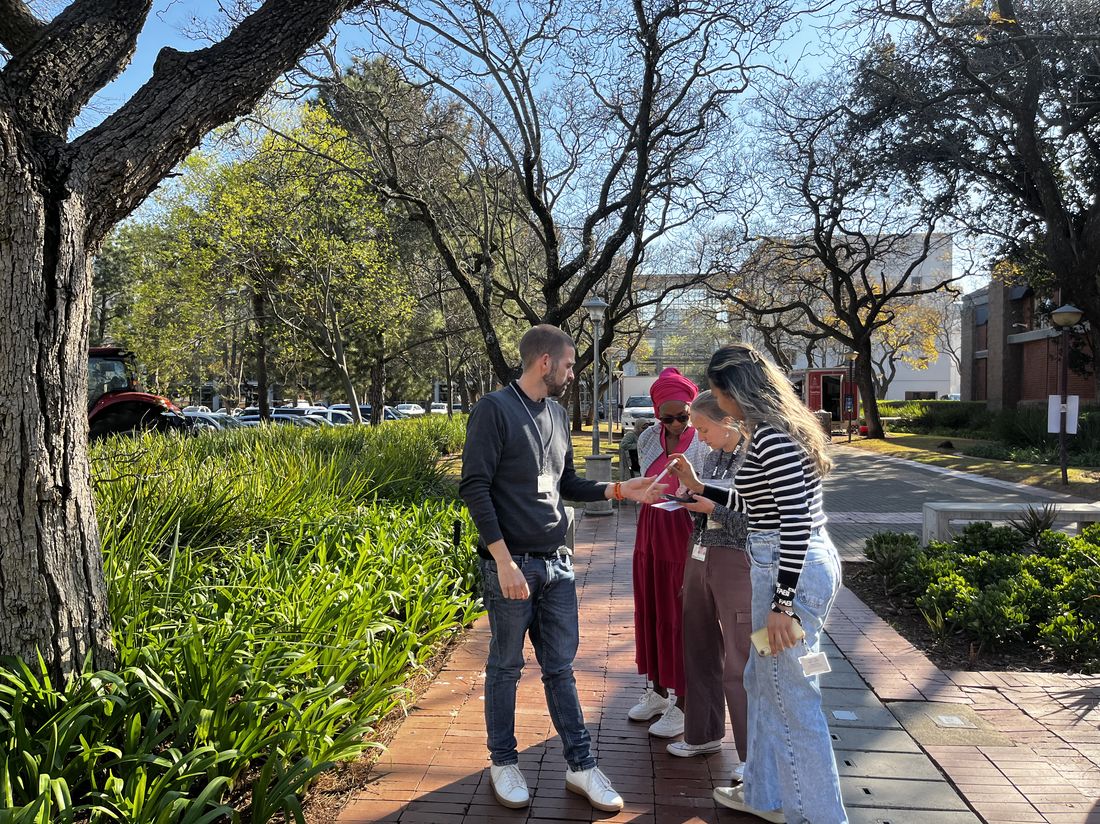
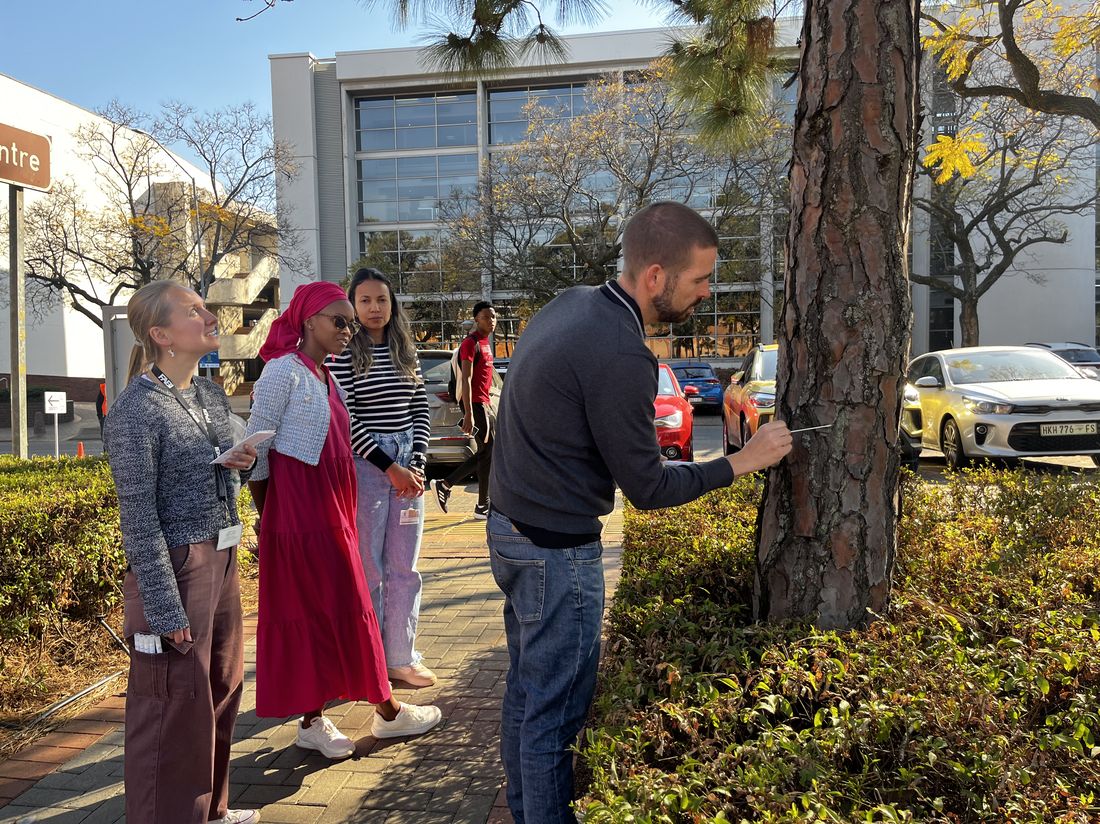
School learners collect soil samples from their gardens and schoolyards, which are processed alongside park samples in MUFASA's lab. Where a new species emerges from a learner's sample, it is named after them — a permanent link between a young scientist and the biodiversity of South Africa.
Real dispatches, announcements and fieldwork stories from FABInet covering the programme, the OMT New Frontiers award, and its SASSY sampling precursor.
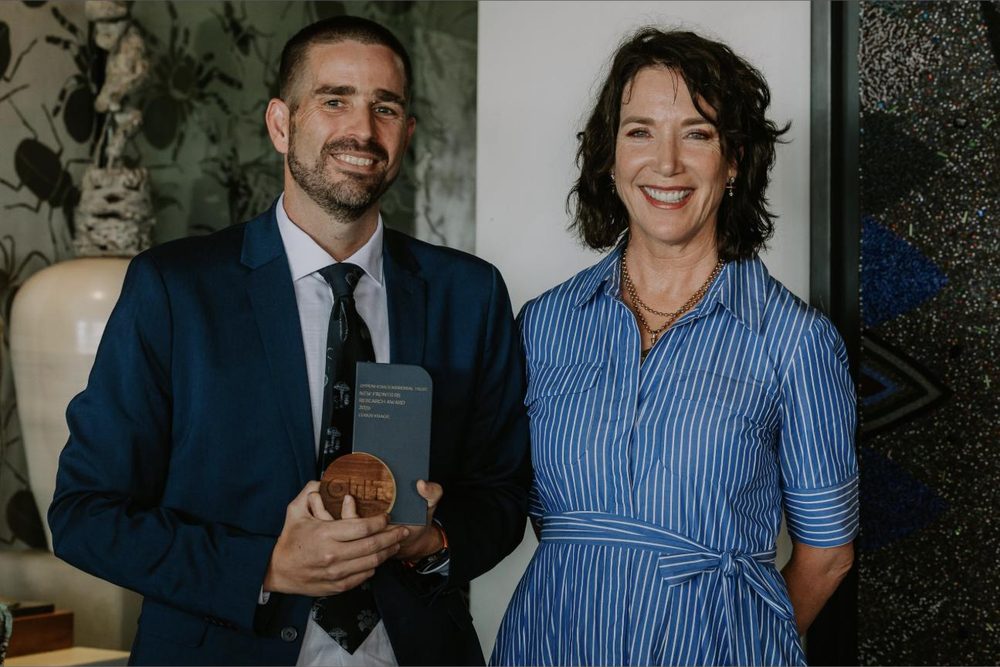
Prof. Cobus Visagie is awarded the OMT's 2026 New Frontiers Research Award — a R7.5-million, five-year grant — to systematically discover and catalogue South Africa's estimated 200,000 fungal species, most still scientifically unknown.
Read on FABInet
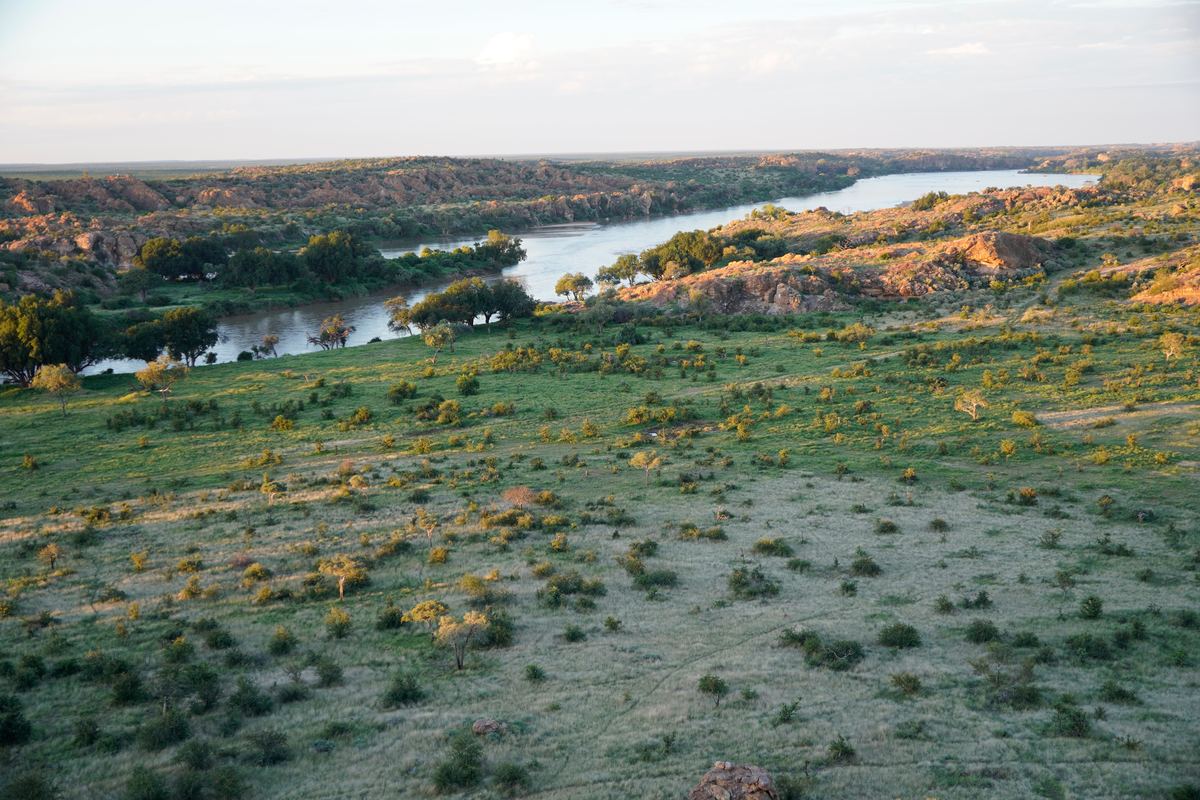
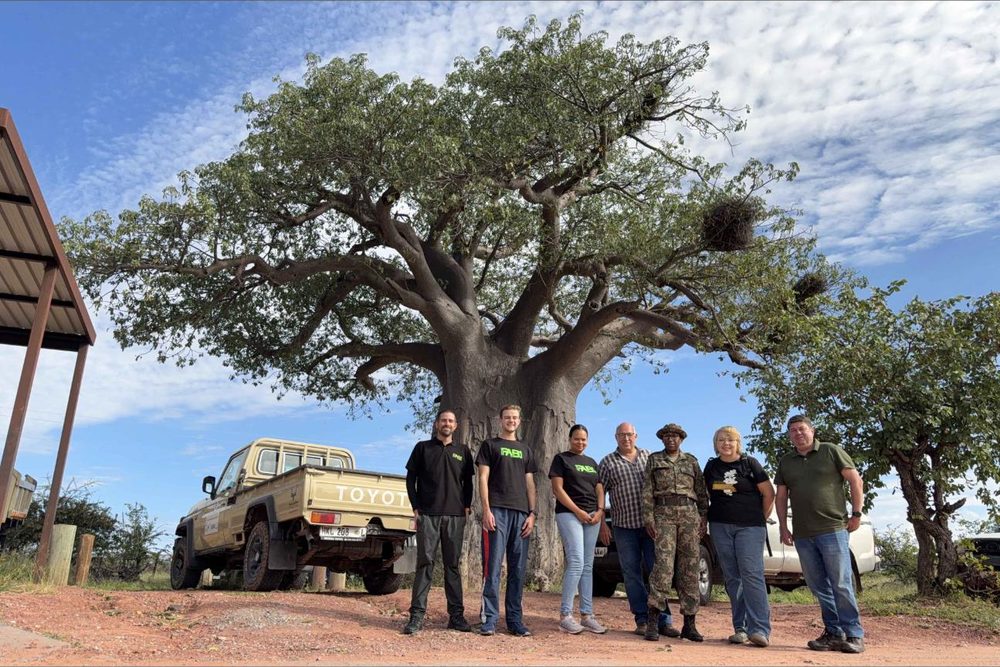
A FABI team sampled the Venda region and Mapungubwe National Park from 4-7 May, collecting root nodules, soil and rhizobial associates of sekelbos (Dichrostachys cinerea) — feeding straight into MUFASA's reference collections.
Read on FABInet
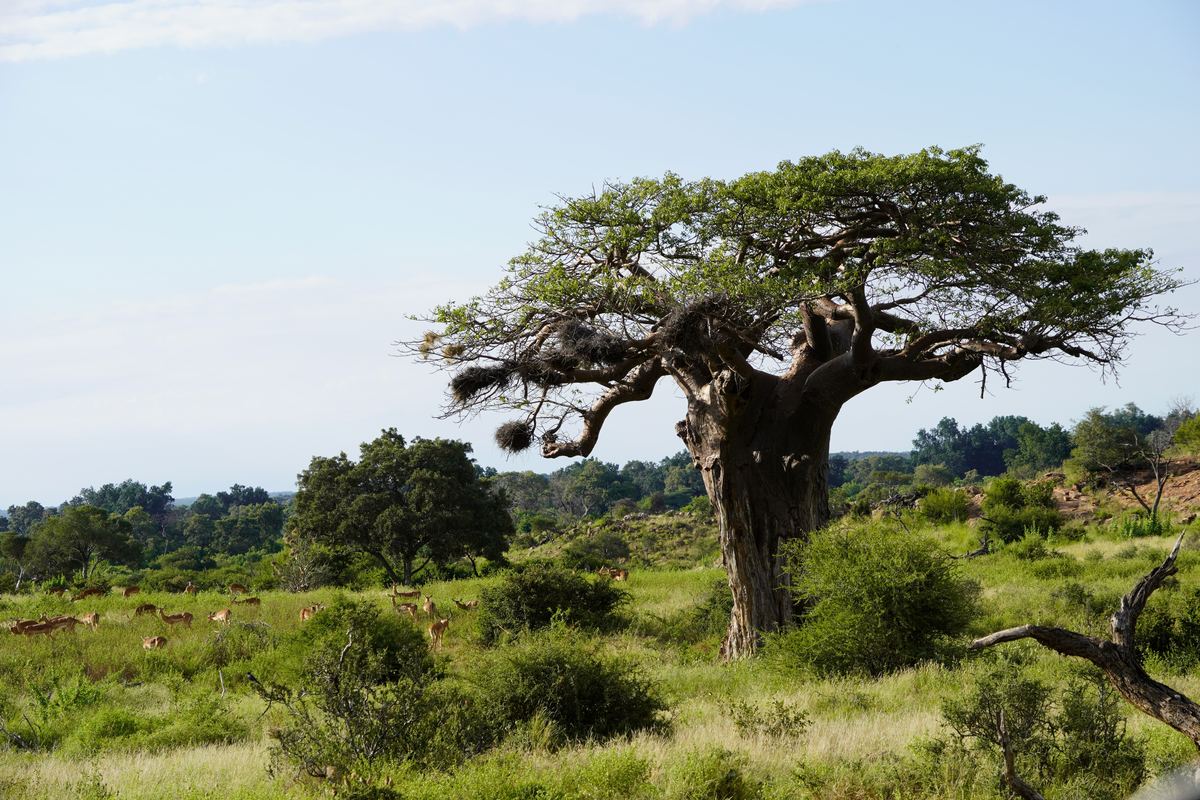
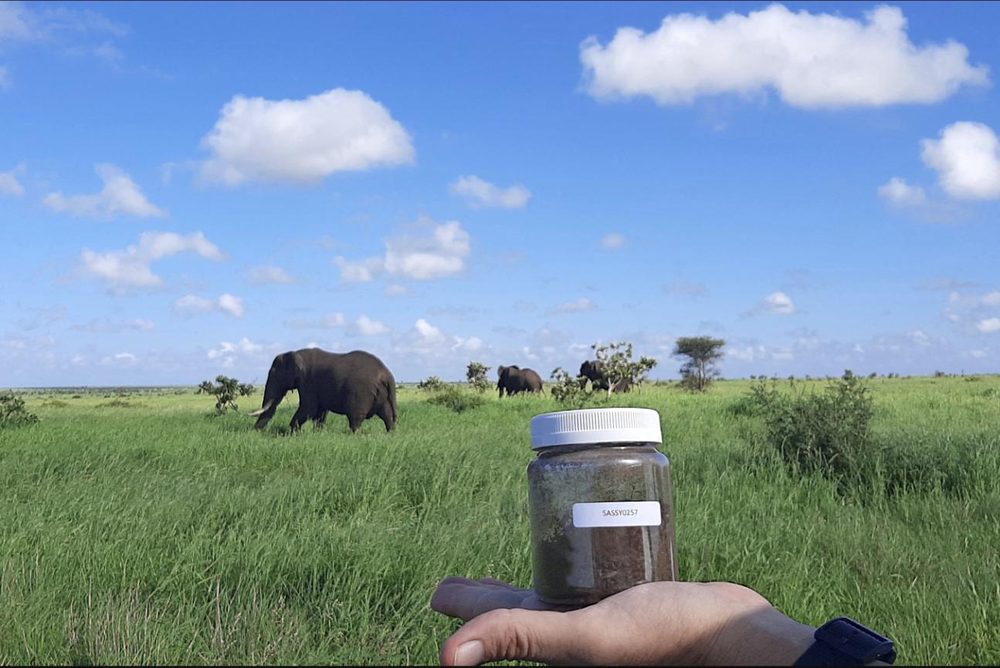
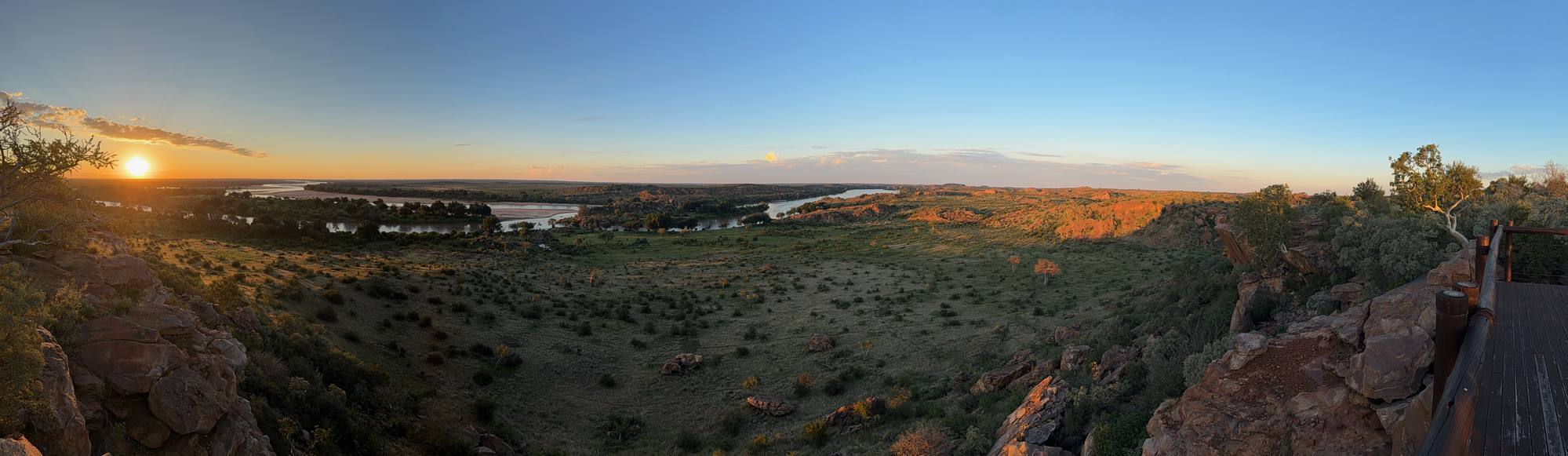
The South African Soil SurveY (SASSY) — MUFASA's precursor survey — collected soil across 21 sites spanning Kruger's vegetation zones, led by Nicole van Vuuren, Kerryn Fourie and Taygen Fuchs.
Read on FABInet
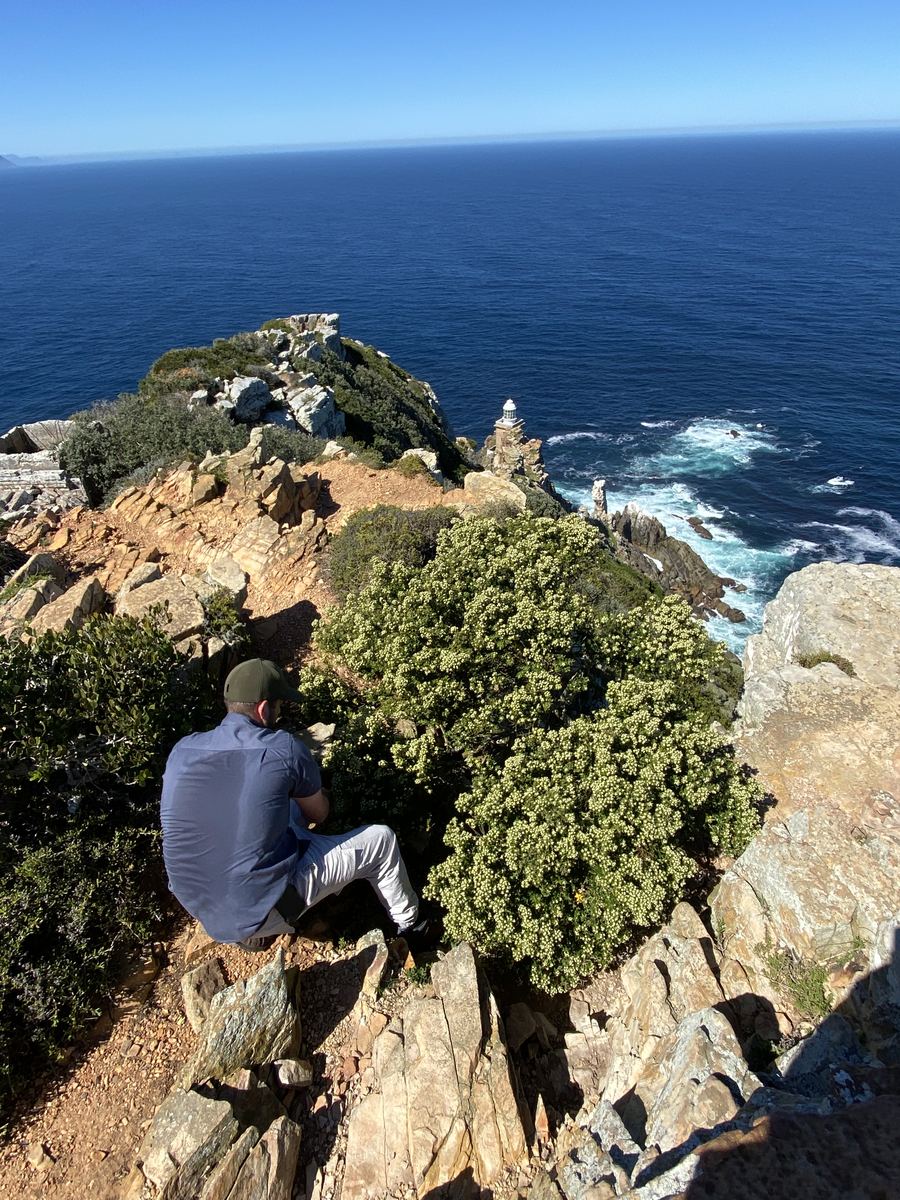
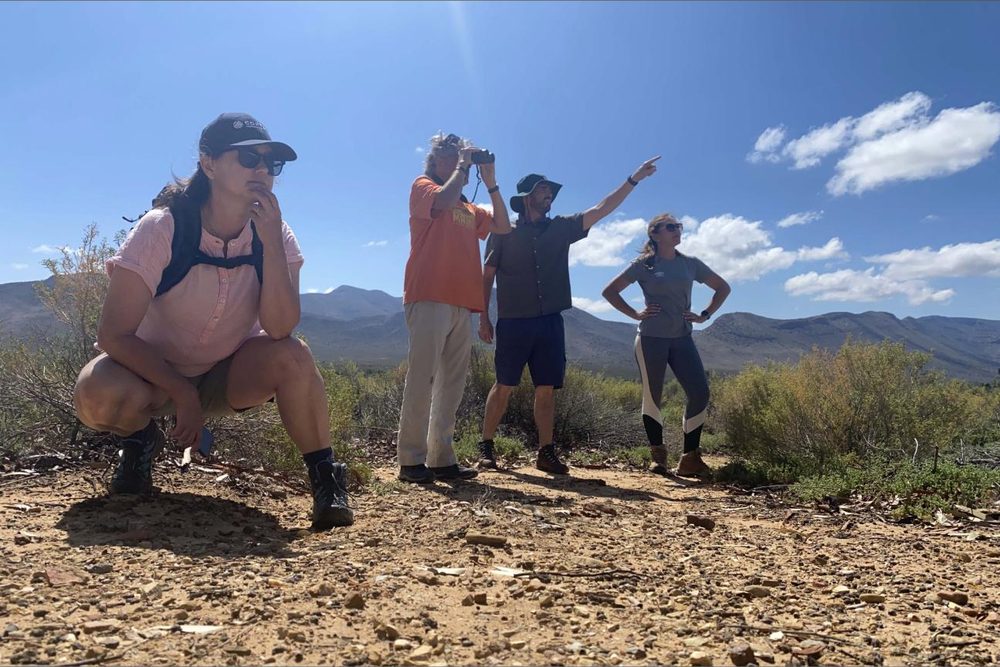
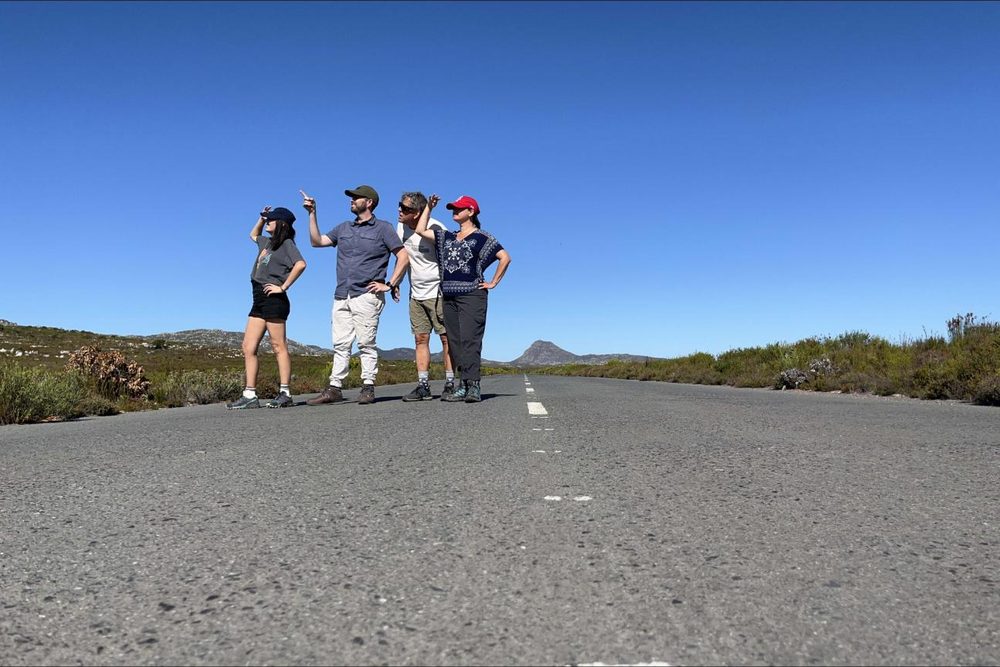
The team, led by Prof. Cobus Visagie and Dr Neriman Yilmaz, sampled reserves between Hermanus and Yzerfontein, characterising fungal communities across South Africa's nine biomes and 36 bioregions.
Read on FABInet
The NRF-funded South African Soil SurveY begins with its inaugural collections from 11 nature reserves — the foundational fieldwork that MUFASA's national sampling strategy now builds on.
Read on FABInetBrowse the full FABInet news archive for the latest fieldwork dispatches, publications and announcements from the Applied Mycology group.
Browse FABInet newsRecent taxonomic, genomic and nomenclatural papers from the FABI Applied Mycology group, feeding directly into MUFASA's reference collections and species descriptions.
MUFASA is carried out by the Applied Mycology research group at FABI. Membership shifts as students graduate and new projects begin — this list reflects the group's current roster.


MUFASA welcomes partnerships with parks and protected-area managers, schools, funders, industry and fellow researchers. Reach out — we'd love to hear from you.